
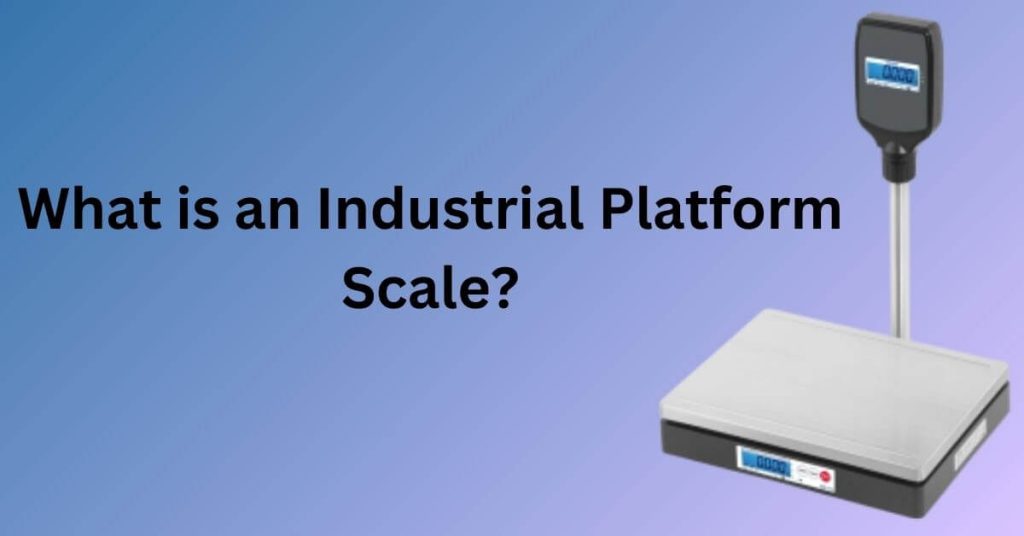
Industrial platform scales are indispensable tools for businesses across various sectors that deal with heavy, oversized items. These robust scales help measure large loads like pallets, crates, and containers with high accuracy and efficiency. In this guide, we’ll explore what industrial platform scales are, their key features, types, applications, and benefits.
What is an Industrial Platform Scale?
An industrial platform scale is a type of weighing device designed for heavy-duty weighing tasks. These scales feature a large, flat platform that can support bulky and large items. Industries such as manufacturing, logistics, agriculture, and construction use industrial platform scales to accurately measure the weight of materials, products, and equipment that traditional scales cannot handle due to size or heaviness.
Unlike smaller, home-use scales, platform scales are built for durability and stability. They can handle capacities ranging from hundreds to thousands of kilograms, making them suitable for a wide range of commercial and industrial applications.
Key Features of Industrial Platform Scales
Industrial platform scales are designed to deliver high accuracy and durability, making them essential in various industries. Below are the key features that set these scales apart:
1. Design and Structure
Platform scales are designed with a large, flat surface to support heavy and bulky items. Depending on the scale model, the platform size can vary but typically ranges from 20 x 27 inches to 48 x 48 inches. This size accommodates substantial loads like crates, pallets, containers, and other large items that require accurate weighing.
The platform is usually constructed from stainless steel or aluminum, materials known for their durability and resistance to harsh industrial environments. This ensures that the scale can withstand constant use without rusting or corroding, even in challenging conditions such as extreme temperatures or exposure to chemicals.
2. Load Cells
At the heart of an industrial platform scale are load cells, which are sensors responsible for measuring the weight placed on the platform. When you place an object on the scale, the load cells detect the force exerted by the object. The scale then converts this force into an electrical signal that corresponds to the weight, which the digital screen displays.
To ensure maximum accuracy, industrial platform scales typically use load cells at each corner of the platform. This distributed setup helps enhance the scale’s stability and measurement precision.
3. Types of Platform Scales
There are two primary types of industrial platform scales: mechanical and digital.
- Mechanical Platform Scales: These traditional scales use springs and levers to measure weight. While reliable, they may lack the precision and additional features of modern digital models.
- Digital Platform Scales: Digital models are more commonly used today, offering a higher degree of accuracy and versatility. These scales use electronic components and often come with advanced features like USB interfaces for data logging and Ethernet connections for remote monitoring. They are particularly useful for businesses that require accurate weight measurements and want to integrate data collection into their operations.
Applications of Industrial Platform Scales
Industrial platform scales are versatile tools used in a wide array of industries where precision, reliability, and durability are essential. Here are some common applications:
Manufacturing
In manufacturing, platform scales are used to weigh raw materials before production and finished goods after manufacturing. Accurately measuring the weight of materials such as metals, chemicals, and plastic helps ensure consistency in product output. Additionally, accurate measurements prevent costly mistakes in production, such as underfilling or overloading containers.
Logistics and Shipping
In logistics and shipping industries, platform scales play a crucial role in verifying shipment weights. Accurate weight measurements ensure shipments comply with transportation regulations and prevent vehicles from being overloaded. Overloaded trucks can result in safety hazards and hefty fines.
Agriculture
In the agricultural sector, platform scales are used to weigh bulk produce or livestock feed. Farmers and food processors rely on these scales to determine inventory levels, assess the weight of harvested crops, and ensure that the correct amount of feed is provided to livestock.
Construction
Construction projects often involve heavy materials like concrete, steel, and bricks. Platform scales measure these materials before transportation to the site. Accurately recording the weight of these materials helps plan logistics, calculate costs, and manage resources.
Benefits of Industrial Platform Scales
When integrated into operations, industrial platform scales provide a multitude of benefits. Here are a few key advantages:
1. Enhanced Efficiency
One of the primary benefits of industrial platform scales is their efficiency. With a large platform and high capacity, these scales allow workers to quickly and easily load and weigh large items. This helps speed up the entire process of weighing, which can be a critical factor in busy industries like logistics and manufacturing.
2. Accuracy
Unlike traditional mechanical scales, digital platform scales provide precise weight measurements. This is especially important in industries that need to comply with strict safety and quality standards. Accurate weight measurements can help reduce errors in production, shipping, and inventory management, ensuring that businesses meet regulatory requirements and avoid costly mistakes.
3. Versatility
Industrial platform scales are incredibly versatile. Whether you need to weigh raw materials, finished products, or even livestock, these scales can handle a wide range of applications. Their ability to weigh a variety of large objects across different industries makes them a highly valuable tool for many businesses.
4. Durability
Built to last, industrial platform scales are designed to withstand heavy use in demanding environments. The durable construction of materials like stainless steel ensures that these scales can handle extreme conditions without compromising their functionality. Whether exposed to dust, dirt, or chemicals, platform scales are built to perform reliably in any setting.
How to Choose the Right Industrial Platform Scale
Choosing the right platform scale for your business depends on several factors, including:
- Capacity: Make sure the scale can handle the weight of your heaviest load.
- Size: Ensure the platform size can accommodate the largest item you plan to weigh.
- Additional Features: Look for models with features like data logging, counting modes, and remote monitoring for enhanced functionality.
- Durability: Consider the materials of the scale to ensure they are suited for your environment. For example, stainless steel scales are ideal for food processing environments.
Conclusion
Industrial platform scales are essential tools for a wide range of industries. Their ability to accurately weigh large and heavy items makes them indispensable in fields such as manufacturing, logistics, agriculture, and construction. By understanding their features, applications, and benefits, businesses can make informed decisions when selecting a platform scale that meets their needs.
If you’re looking to invest in a reliable industrial platform scale for your operations, visit Industrial Scales South Africa. We offer a wide selection of high-quality scales designed for various industrial applications, ensuring that you get the most accurate and efficient weighing solutions.
Frequently Asked Questions (FAQs)
1. What is an Industrial Platform Scale?
An industrial platform scale is a heavy-duty weighing device designed to measure large and heavy objects that traditional scales cannot accommodate. They feature a large flat surface, capable of supporting bulky items such as pallets, containers, and crates. Commonly used in industries like manufacturing, logistics, agriculture, and construction, they are built for precision and durability.
2. How Do Platform Scales Work?
Platform scales work by using load cells—sensors that detect weight. When an item is placed on the scale, the load cells measure the force applied to the scale and convert it into an electronic signal. This signal is then displayed digitally, providing an accurate reading of the weight of the object.
3. What Are the Different Types of Platform Scales?
There are two main types of platform scales:
- Mechanical Platform Scales: Use springs and levers for weight measurement.
- Digital Platform Scales: Utilize electronic components for higher precision and may offer additional features such as data logging and remote monitoring.
4. What Industries Use Platform Scales?
Platform scales are widely used in industries that handle large and heavy materials, including:
- Manufacturing (weighing raw materials and finished products)
- Logistics and Shipping (verifying shipment weights)
- Agriculture (weighing produce or livestock)
- Construction (measuring heavy materials like concrete and steel)
5. How Do I Choose the Right Industrial Platform Scale?
When selecting a platform scale, consider the following factors:
- Capacity: Ensure the scale can handle the weight of your heaviest load.
- Platform Size: Choose a scale that fits the size of the objects you need to weigh.
- Material: Stainless steel is ideal for environments exposed to moisture or chemicals.
- Additional Features: Look for features like data logging, counting modes, or remote monitoring.
6. How Do I Maintain a Platform Scale?
Regular maintenance includes cleaning the scale, ensuring the platform is level, and checking the load cells for any signs of damage. Periodically calibrating the scale is also important for ensuring accurate weight readings. If any wear and tear is observed, it’s important to schedule servicing to maintain functionality.
7. What are the Benefits of Using Industrial Platform Scales?
- Efficiency: They streamline operations by allowing for quick and easy weighing of large items.
- Accuracy: Digital platform scales provide precise measurements, ensuring compliance with safety standards.
- Durability: Made from sturdy materials like stainless steel, they are built to last and withstand harsh environments.
- Versatility: Suitable for various industries, from manufacturing to agriculture.
Related Articles:
Contact Us Today!
For more information or to get in touch with us at Industrial Scales South Africa, you can contact us through the following:
- Website: industrialscalessouthafrica.co.za
- Email: info@industrialscalessouthafrica.co.za
- Phone: 011 048 2402
- Address: 77 5th Street, Wynberg, Sandton, 2090, Johannesburg
Feel free to reach out for expert advice or to inquire about our products and services. We’re here to help with all your industrial scale needs!