
Keeping track of your pet’s weight is one of the simplest yet most powerful things you can do for their long-term health. Whether you’re monitoring a puppy’s growth, managing a senior dog’s diet, or tracking a cat recovering from illness, having the right scale makes all the difference. This guide covers everything South African pet owners need to know about choosing the best scale for pets — from small household companions to large farm animals.
Why Weighing Your Pet Matters
Vets use weight as a primary health indicator. Sudden weight loss can signal illness, parasites, or dental pain. Unexpected weight gain often points to overfeeding, hypothyroidism, or reduced activity. Regular home weighing means you catch these changes early — before your next scheduled vet visit.
For breeders, farmers, and animal welfare workers, accurate weight data is even more critical. It informs feeding rations, medication dosages, and growth milestones.
Types of Scales Suitable for Pets
Not every scale is built the same, and the right choice depends heavily on the size and temperament of your animal.
1. Dedicated Pet Scales
The most purpose-built option is a dedicated pet scale — designed with low, non-slip platforms, gentle tare functions, and readable displays that make solo weighing sessions manageable even with a wriggly animal. These are ideal for cats, small dogs, rabbits, and other small pets.
2. Platform Scales
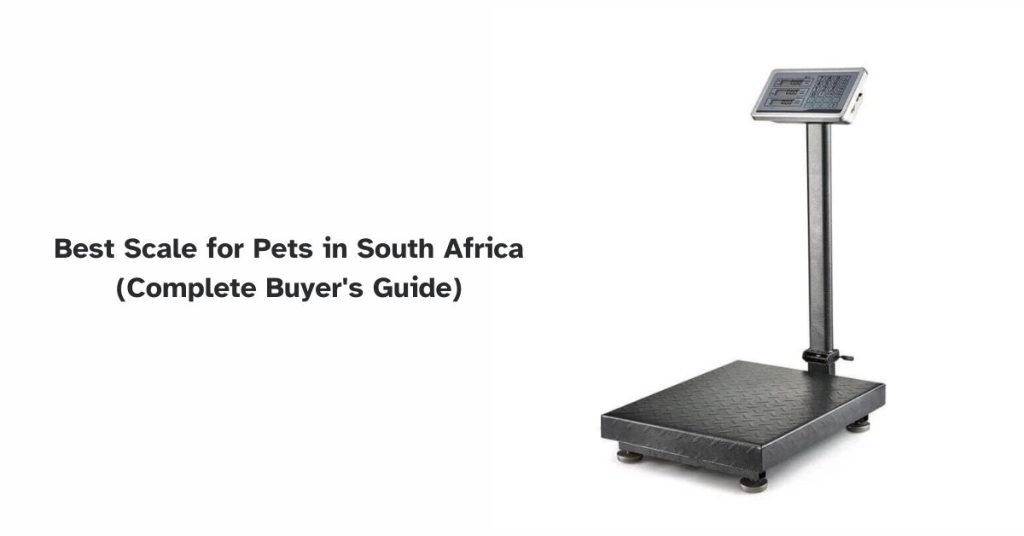
For medium to large dogs, a heavy-duty platform scale offers a stable, wide surface your animal can stand on comfortably. Platform scales are robust, accurate to within grams, and easy to clean — an important feature when dealing with muddy paws or livestock.
3. Bench Scales
Bench scales are an excellent middle-ground solution. Place a basket, crate, or container on the scale, tare it out, then place your pet inside. This method works brilliantly for cats, small dogs, birds, reptiles, and exotic pets that won’t stay still on an open platform.
4. Floor Scales
If you’re running a veterinary practice, kennel, or working with large breeds like Great Danes or Boerboels, industrial floor scales provide the capacity and durability you need. Many models handle loads well over 300 kg, making them suitable for livestock and large farm animals too.
5. Hanging and Crane Scales
For poultry farmers, game farmers, or abattoirs, hanging scales and crane scales allow you to weigh animals suspended in a harness or crate — a standard practice in game management and the meat industry.
Choosing the Right Scale: Key Factors
Weight Capacity — Always choose a scale rated at least 20–30% above your animal’s expected maximum weight. This protects accuracy and extends the life of the load cells.
Readability — Look for a scale that reads in increments of 100 g or less for small animals, and 500 g increments for larger livestock.
Platform Size — A platform that’s too small causes animals to fidget, which skews readings. Bigger is almost always better.
Tare Function — Essential for weighing animals in carriers, crates, or baskets.
Durability and IP Rating — If the scale will be used outdoors or hosed down, choose a model with an IP65 or higher waterproof rating.
Portability — For farm visits, mobile vets, or fieldwork, a portable industrial scale that runs on batteries and packs away easily is invaluable.
Pet Scales Across South African Industries
The need for accurate animal weighing extends well beyond the household. Several South African industries depend on reliable scales as part of their daily operations:
- Agriculture: Livestock farmers use scales to monitor cattle, sheep, and pig growth rates and calculate feed conversion ratios. This is a core part of modern agricultural operations across South Africa.
- Food Processing: Accurate live-weight measurements feed directly into yield calculations and compliance in the food processing sector.
- Veterinary and Pharmaceutical: Medication dosing for animals — especially large animals — is weight-dependent. A few kilograms off can mean under- or over-dosing.
- Game Farming and Wildlife Management: Tracking weight during translocation, rehabilitation, or breeding programmes requires reliable, rugged equipment suited to agricultural and wildlife environments.
Tips for Weighing Pets at Home
Small pets (cats, small dogs under 15 kg): Step on a regular bathroom scale yourself, note your weight, then pick up your pet and step back on. The difference is your pet’s weight. Alternatively, use a dedicated pet or bench scale for more precision.
Medium and large dogs: A platform scale is the easiest hands-free option. Lure your dog onto the platform with a treat and wait for the reading to stabilise.
Reptiles and birds: Use a bench scale with a tare-able container. Line it with a non-slip mat and keep the weighing session brief to minimise stress.
Livestock: Use a dedicated floor scale or crush-mounted scale for cattle and horses. For smaller livestock like sheep and goats, a platform scale works well.
Where to Buy Pet Scales in South Africa
Industrial Scales South Africa stocks a comprehensive range of weighing solutions suitable for pets and livestock. Whether you need a compact bench scale for your cat or a large-capacity floor scale for a game farm, their range covers every application. Browse their full selection of pet-specific scales for models purpose-built with animals in mind.
For operations requiring scales across a larger facility — such as a veterinary hospital, feed lot, or wildlife sanctuary — their warehouse scale solutions and pallet scales can handle bulk feed, supply deliveries, and heavy-duty weighing alongside your animal management needs.
Final Thoughts
The best scale for pets in South Africa is ultimately the one that suits your animal’s size, your environment, and your budget. For most household pet owners, a dedicated pet scale or a quality bench scale will serve perfectly. For farmers, breeders, and veterinary professionals, investing in a robust platform or floor scale pays dividends in accuracy and longevity.
Regular weighing is a small habit with outsized health benefits — and with the right scale, it takes less than a minute. Start tracking your pet’s weight today, and give yourself the data to keep them thriving for years to come.