
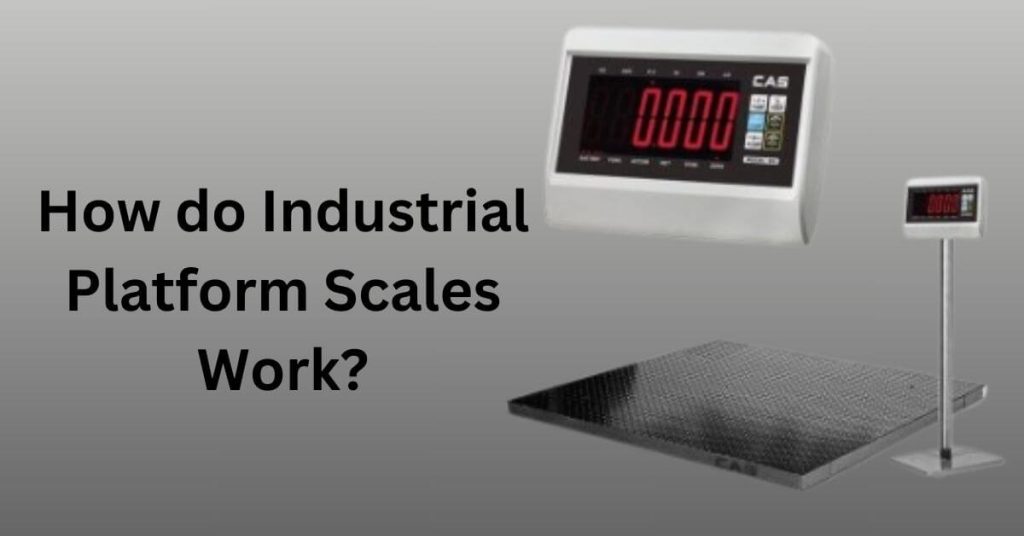
Overview of Industrial Platform Scales
Industrial platform scales are, indeed, integral to operations in various sectors where large, heavy items need precise measurement. Whether you’re in manufacturing, agriculture, logistics, or even retail, these scales, without a doubt, are a cornerstone of operational efficiency. Furthermore, their robust construction and high weight capacity make them ideal for environments where, consequently, reliability and precision are critical.
Key Features of Industrial Platform Scales
- Heavy-duty design: Platform scales are engineered to handle substantial weight, ranging from hundreds of kilograms to several tons. This durability makes them suitable for extreme conditions.
- Accuracy: These scales provide high precision, crucial for regulatory compliance and inventory control.
- Durability: Built from materials like stainless steel or aluminum, they resist corrosion and withstand harsh industrial environments.
- Versatility: Platform scales are used in diverse sectors like manufacturing, logistics, agriculture, and retail.
How Do Platform Scales Work?
At the core of industrial platform scales is the fundamental principle of force measurement. When an item is placed on the scale, it applies force to the platform. This force is then measured and converted into a digital weight reading. Below, we’ll break down the key components and how they work together to provide accurate measurements.
1. Load Cells: The Heart of the Scale
The load cell is, in fact, the primary component of any platform scale. Moreover, a load cell is essentially a transducer that converts mechanical force into electrical signals. In addition, it contains strain gauges—specifically, small sensors that detect any deformation (bending or stretching) caused by the weight placed on the platform.”
“Load cells ensure that the force applied to the platform is measured accurately, translating it into an electrical signal that can be processed and displayed as weight.” – Industrial Weighing Systems
When weight is applied, the strain gauges change their electrical resistance. This creates a small voltage that is proportional to the weight. Load cells are typically placed at each corner of the scale to enhance accuracy and stability.
2. Conversion Mechanism: Turning Signals Into Weight
The voltage generated by the load cells is an analog signal. However, digital scales require a digital reading, so this analog signal must be processed. This is where the analog-to-digital (A/D) converter comes in.
The A/D converter converts the analog voltage into digital data and sends it to the microprocessor. The microprocessor uses specialized software to calculate the weight and displays it on the scale’s digital screen.
3. The Display: Showing the Results
Once the weight has been calculated, the microprocessor displays it on a digital indicator. This allows users to easily read and record the measurement.
Modern digital platform scales come with additional features such as:
- Data logging: Some models integrate with computers or printers to automatically record weight data.
- Multiple unit options: Switch between kilograms, pounds, or tons, depending on the industry.
- Tare functionality: Subtract the weight of containers or packaging to measure only the contents.
Types of Platform Scales
Industrial platform scales come in two major types, each suited for different operational environments:
Digital Platform Scales
Digital platform scales are the go-to choice in modern industrial applications. They use electronic components for accurate measurements and offer additional features like data logging, automatic calibration, and advanced weighing functions such as checkweighing.
Key Features of Digital Scales:
- Integration with computers, printers, and warehouse management systems.
- Automatic calibration for ease of use.
- Fast, accurate readings, perfect for high-volume operations.
Mechanical Platform Scales
These scales use mechanical components like springs and levers to determine weight. They do not require electricity, making them a great option for environments with unreliable power supplies. Although less common today, they’re still valuable in off-grid locations or areas with basic technological needs.
Key Features of Mechanical Scales:
- Operate without electricity.
- Simple to use, with fewer parts that need maintenance.
- Often used where power availability is limited.
Calibration and Accuracy
Calibration is critical to maintaining the accuracy of industrial platform scales. Over time, wear and tear can cause small inaccuracies. Additionally, factors such as temperature fluctuations or frequent use may affect the scale’s performance. Regular calibration ensures that the scale continues to provide precise readings.
Why Calibration Matters:
- Temperature Fluctuations: Changes in temperature can distort the performance of load cells.
- Wear and Tear: Frequent use can cause mechanical components to degrade, impacting accuracy.
How to Calibrate a Platform Scale:
- Use a known weight: The most common method of calibration involves using a certified calibration weight.
- Enter calibration mode: Follow the manufacturer’s instructions to begin calibration.
- Adjust the scale: Ensure the reading matches the known weight by adjusting the scale’s settings.
Applications of Platform Scales
Industrial platform scales are indispensable in numerous sectors. Below are some common applications:
- Manufacturing: Used to measure raw materials, components, and finished products.
- Logistics and Warehousing: Essential for ensuring compliance with shipping regulations and preventing truck overloading.
- Agriculture: Used to weigh bulk commodities like grain, livestock, or feed.
- Retail: Weigh bulk products like fruits, vegetables, or items sold by weight.
Conclusion
Industrial platform scales play a vital role in industries that require precision weighing for large and heavy objects. Moreover, their ability to integrate seamlessly with technology and provide accurate measurements makes them essential for operational efficiency and regulatory compliance.
Furthermore, understanding how platform scales work—from the load cells to the digital display—helps businesses maintain productivity and compliance. In addition, whether you choose a digital or mechanical model, platform scales are essential tools for today’s industrial environments.
Frequently Asked Questions (FAQs)
Q: What is the maximum weight an industrial platform scale can measure?
A: The capacity varies by model but typically ranges from hundreds of kilograms to several tons (up to 3000 kg or more). Heavy-duty models are often used in large-scale operations.
Q: How do industrial platform scales ensure accuracy?
A: Platform scales use load cells equipped with strain gauges to detect weight. Furthermore, the signal from the load cells is processed and converted into a digital weight reading. In addition, regular calibration ensures accurate measurements.
Q: Can I use an industrial platform scale outdoors?
A: Yes, many platform scales are designed for outdoor use. Ensure the scale is rated for outdoor conditions and constructed with materials resistant to weathering.
Q: What is the difference between mechanical and digital platform scales?
A: Mechanical scales operate without electricity and use springs or levers to measure weight. Digital scales, on the other hand, use electronic components for more precise readings and additional features like data logging.
Q: How often should I calibrate my platform scale?
A: Calibration frequency depends on usage. It’s recommended to calibrate the scale at least once a year or more often with heavy use or exposure to temperature extremes.
Q: Can I connect my industrial platform scale to other systems for data logging?
A: Yes, modern digital platform scales offer connectivity options to integrate with computers, printers, and warehouse management systems for seamless data logging.
Related Articles:
- What is a 150kg industrial platform scale used for?
- Where can I buy industrial platform scales in South Africa?
- What are the top features of 300kg industrial platform scales in South Africa?
- How much weight can a 500kg industrial platform scale handle?
- What is the price of a 500kg price-computing industrial platform scale?
- Where can I find a 500kg price-computing industrial platform scale in Cape Town?
- Which is better: an industrial platform scale 300kg or a 500kg scale?
- What are the benefits of an electronic industrial platform scale?
- Where can I get an electronic industrial platform scale with a capacity of 0-150kg?
Contact Us Today!
For more information or to get in touch with us at Industrial Scales South Africa, you can contact us through the following:
- Website: industrialscalessouthafrica.co.za
- Email: info@industrialscalessouthafrica.co.za
- Phone: 011 048 2402
- Address: 77 5th Street, Wynberg, Sandton, 2090, Johannesburg
Feel free to reach out for expert advice or to inquire about our products and services. We’re here to help with all your industrial scale needs!