
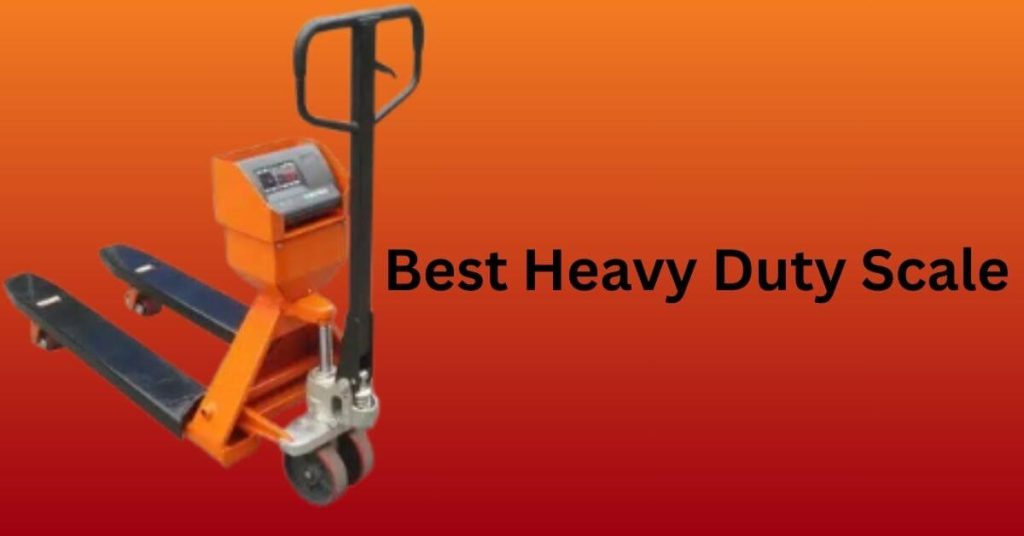
For industries that rely on accurate, high-capacity measurements, investing in the best heavy-duty scale is essential. From warehouses to manufacturing plants, heavy-duty scales are pivotal in improving efficiency, reducing error, and maintaining compliance with legal standards. In this guide, we’ll explore the key features to look for in a heavy-duty scale, discuss the top models available, and provide tips for making the best choice for your business.
Why Heavy-Duty Scales Matter
Heavy-duty scales are designed to handle high weight capacities while maintaining accuracy and durability. They are commonly used in sectors such as:
- Manufacturing: Weighing raw materials or finished products.
- Logistics and Shipping: Ensuring accurate weight measurements for transportation.
- Agriculture: Weighing large quantities of crops or livestock feed.
- Construction: Measuring building materials like sand, cement, and gravel.
These scales must withstand heavy use, often in harsh environments, so investing in a reliable scale with a sturdy design is crucial.
“In industrial settings, accurate weighing can significantly impact productivity and compliance, making it essential to choose a reliable heavy-duty scale.”
Key Features to Look for in a Heavy-Duty Scale
When searching for the best heavy-duty scale, there are several critical factors to keep in mind:
- Capacity and Accuracy: Choose a scale with a capacity that meets your needs but also provides the accuracy required for your operations. Heavy-duty scales can range from hundreds to thousands of kilograms in capacity.
- Durability: Look for scales made with high-quality materials such as stainless steel, which can resist corrosion and withstand harsh industrial environments.
- Platform Size: The platform should be large enough to accommodate the types of items you plan to weigh, from pallets to large crates.
- Ease of Calibration: Regular calibration is necessary to ensure accuracy. Many industrial scales come with auto-calibration features, simplifying maintenance.
- Digital or Analog Display: Digital displays provide clear readings, while analog might be more suitable for rough environments where electronic components are at risk.
- Compliance: In South Africa, industrial scales for trade purposes should comply with the Legal Metrology Act, ensuring accurate and fair measurements.
Top Heavy-Duty Scales for 2024
Below are some of the best heavy-duty scales available in 2024, perfect for various industrial needs. These models provide high capacity, durability, and reliability in demanding environments.
1. Adam Equipment GFK Floor Scale
The Adam Equipment GFK Floor Scale is a versatile heavy-duty scale suitable for warehouses, shipping docks, and other industrial applications.
Features:
- Capacity: Up to 600kg
- Stainless steel platform
- Large backlit LCD display
- Check-weighing function to ensure items meet weight specifications
The GFK Floor Scale is highly valued for its durability and precision, making it an ideal choice for high-capacity weighing needs.
2. Avery Weigh-Tronix HD Series
The Avery Weigh-Tronix HD Series is built for demanding industrial environments, with a rugged design that withstands daily wear and tear.
Features:
- Capacity: 1,000–5,000kg
- Robust steel construction
- Versatile mounting options for convenience
- Highly accurate load cell technology
This series is a popular choice for companies requiring highly durable scales that can handle large weights while maintaining precision.
3. CAS BW Series
The CAS BW Series is a heavy-duty platform scale with a durable platform and a range of capacities to suit various applications.
Features:
- Capacity: Up to 1,500kg
- Platform sizes available in various dimensions
- Water-resistant display
- Sturdy frame designed for industrial environments
The CAS BW Series is known for its durability and reliability, making it an excellent choice for industrial and logistics applications.
4. Ohaus Defender 5000
The Ohaus Defender 5000 is a flexible, high-performance industrial scale ideal for heavy-duty applications requiring accuracy and compliance.
Features:
- Capacity: Up to 2,000kg
- Multiple platform sizes
- Advanced software for check-weighing, counting, and dynamic weighing
- Durable stainless steel design
The Defender 5000 is valued for its versatility and advanced functionality, making it suitable for various weighing needs in manufacturing and shipping.
How to Choose the Right Heavy-Duty Scale
Selecting the right heavy-duty scale for your business depends on several factors, including the weight range, the type of items you’ll be weighing, and the scale’s durability. Here are a few tips to help you decide:
- Identify Your Weight Requirements: Determine the typical weight range of items you need to measure. Choosing a scale with too low a capacity may result in overloads, while a scale with too high a capacity may lack precision.
- Consider Your Environment: Will the scale be exposed to moisture, chemicals, or rough handling? If so, invest in a corrosion-resistant model or one specifically built for harsh conditions.
- Select the Right Platform Size: Ensure the scale has a platform that can comfortably hold the items you plan to weigh, especially if you’ll be using pallets or large containers.
- Look for Additional Features: Consider models with additional functions such as tare (to subtract the container’s weight), check-weighing, or data recording capabilities, which can streamline operations and enhance accuracy.
- Check Compliance: Ensure the scale complies with South African legal standards, especially for trade applications.
“Selecting the right heavy-duty scale can optimize operations and reduce inaccuracies, saving time and costs in the long run.”
Maintenance Tips for Heavy-Duty Scales
To keep your heavy-duty scale functioning at its best, regular maintenance is essential. Here are some tips to ensure longevity and accuracy:
- Calibrate Regularly: Frequent calibration helps maintain accuracy, especially if the scale is used daily.
- Keep It Clean: Clear any debris from the platform and display to avoid errors or obstructions.
- Check for Damage: Regularly inspect for signs of wear or damage, especially on cables and load cells.
- Avoid Overloading: Overloading can damage the load cell, leading to inaccurate readings or permanent damage.
- Ensure Proper Storage: When not in use, keep the scale in a dry, stable environment to prevent corrosion or other issues.
Conclusion: Finding the Best Heavy-Duty Scale for Your Needs
Choosing the best heavy-duty scale is critical for businesses that rely on accurate, high-capacity weighing solutions. From the Adam Equipment GFK Floor Scale to the Ohaus Defender 5000, there are plenty of options to suit different applications and environments. Consider your specific needs, including capacity, environment, platform size, and features, to ensure the scale you choose will meet your operational demands.
For businesses in South Africa, compliance with the Legal Metrology Act is also essential to ensure your scales are suitable for trade. By following these guidelines and investing in a quality heavy-duty scale, your business can enjoy increased accuracy, productivity, and cost savings.
For more options and expert assistance in finding the best scale for your needs, visit Industrial Scales South Africa, where you’ll find a wide range of heavy-duty scales and professional support tailored to South African businesses.
FAQs
Q1: What is the maximum weight a heavy-duty scale can handle?
A: Heavy-duty scales typically range from hundreds to several thousand kilograms in capacity, with some specialized scales going even higher.
Q2: How often should I calibrate a heavy-duty scale?
A: Calibration frequency depends on usage, but once every 6–12 months is generally recommended for industrial scales used regularly.
Q3: Are there scales that can handle both heavy weights and precise measurements?
A: Yes, many high-quality heavy-duty scales offer both large capacities and high accuracy, especially those with advanced load cell technology.
Q4: Do heavy-duty scales need legal verification in South Africa?
A: Yes, scales used for trade purposes must comply with the Legal Metrology Act in South Africa and may require verification from an accredited body.
Related Articles:
- Best Place for Weighing Scales in South Africa: Top Options and Tips
- Best Place to Buy a Scale: Top Choices for Quality and Value in 2024
Contact Us Today!
For more information or to get in touch with us at Industrial Scales South Africa, you can contact us through the following:
- Website: industrialscalessouthafrica.co.za
- Email: info@industrialscalessouthafrica.co.za
- Phone: 011 048 2402
- Address: 77 5th Street, Wynberg, Sandton, 2090, Johannesburg
Feel free to reach out for expert advice or to inquire about our products and services. We’re here to help with all your industrial scale needs!